

Buying guide · 2026 · 8 min read
How to Buy Roasted Coffee Beans Online in India
Buying coffee online means buying on trust: you can't smell the bag or ask the person behind the counter when it was roasted. Here is the actual checklist to use before you click buy, a grind chart by brewer, how much to order, and how we ship ours.
Buy from a listing that states the roast date, the exact grind or whole-bean option for your brewer, and a named origin. Avoid anything that only says "100% Arabica" with no other detail, arrives pre-ground with no size option, or carries no roast date at all. Order what you'll finish in two to four weeks, not a six-month supply.
The checklist before you click buy
A product page that's confident about its coffee will tell you, without being asked:
- A roast date, or a live commitment to one. Not a best-before date months out: the actual day the beans came off the drum, or a clear statement that it's roasted to order after you buy.
- A named origin. An estate, a region, or at minimum a state: Chikmagalur, Coorg, Araku Valley, Wayanad. Not just "Indian coffee." Ours are listed on our Indian coffee estates pages, with region and process for each.
- A grind option that matches your equipment. Whole bean, plus separate options for espresso, moka pot, filter, French press, pour-over, cold brew. A site with one generic "ground" option is grinding for their convenience, not your brewer.
- A roast level, described honestly. Light, medium or dark, and ideally what that means for the cup, not just marketing words like "smooth" or "premium" that describe nothing.
- A real delivery estimate. Dispatch time separate from transit time, so you know when to reorder before you run out.
What "roasted to order" actually means
You'll see this phrase everywhere, and it means two different things depending on the seller. The honest version: your order triggers an actual roast, the beans go in the drum after you click buy, and dispatch happens a day or two later. The looser version: the roaster roasts a batch every few days into stock, and "to order" really means "recently roasted, then picked and packed when you order", which is still reasonably fresh, just not literally roasted after your click. Neither is dishonest, but they're not the same claim, and a site that's specific about which one it means (batch size, roast frequency, days between roast and dispatch) is telling you something a vague "always fresh" banner isn't.
Five red flags to avoid
| Red flag | Why it matters |
|---|---|
| No roast date anywhere on the page or the bag | You cannot judge freshness. Roasted coffee is at its best roughly one to four weeks off roast; without a date, you're guessing. |
| Pre-ground with no whole-bean option | Ground coffee loses its aroma within hours. A roaster who only sells pre-ground either doesn't expect you to have a grinder, or doesn't want you to notice how old the coffee is. |
| "100% Arabica" as the only spec on offer | True of most specialty coffee and tells you almost nothing: it's a species, not a quality mark. Ask what estate, what process, what roast level. |
| One grind size for every brewer | Espresso needs fine, French press needs coarse. The same grind cannot serve both well, and a shop offering only one size hasn't thought about how you'll actually use it. |
| Vague or missing shipping information | If a site won't tell you dispatch time and transit time separately, you can't plan a reorder before you run out, and you can't tell whether a delay is on their side or the courier's. |
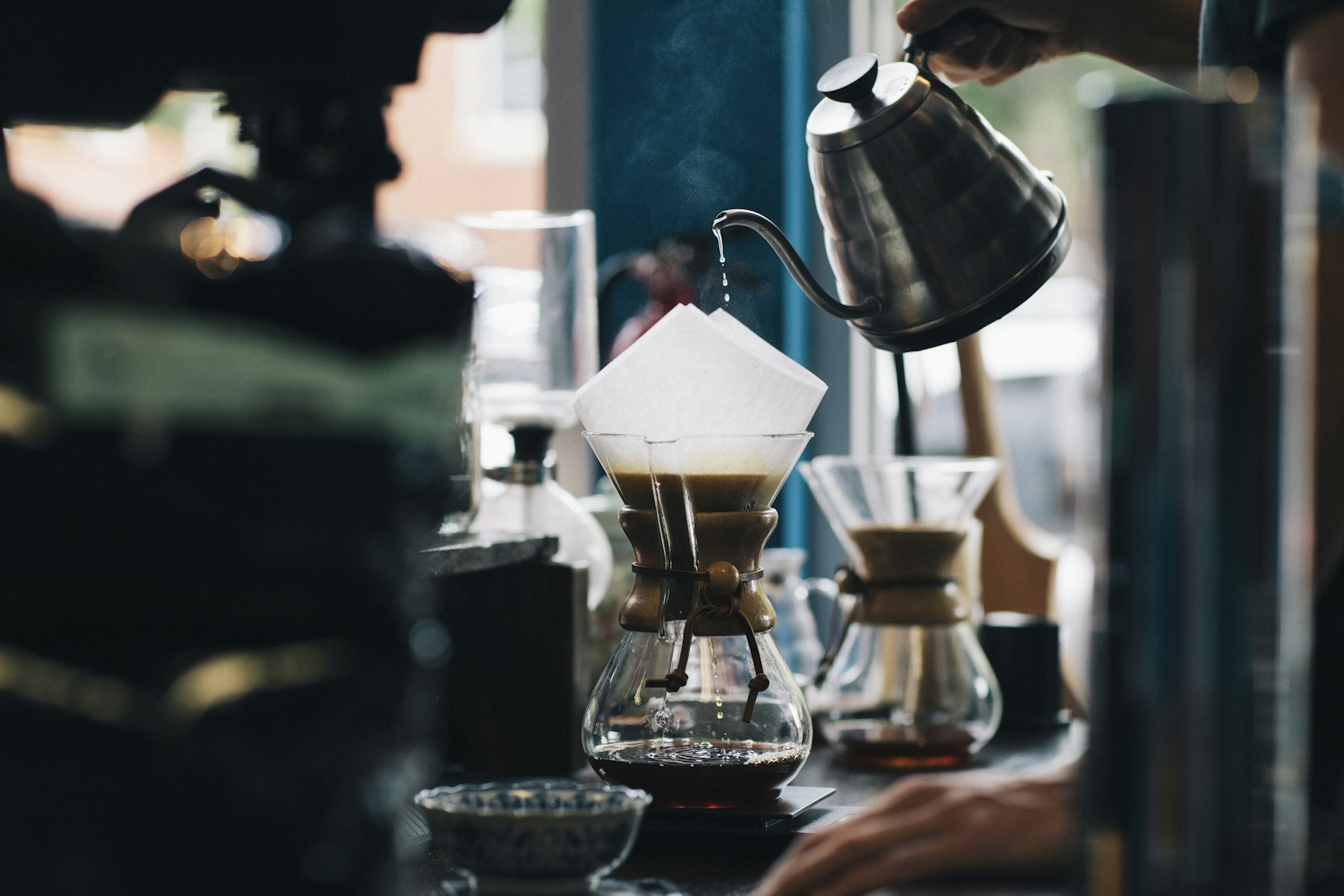
Grind size, matched to your brewer
If a shop lets you pick a grind at checkout, here's what to choose. If they don't, this is also the reason to buy whole bean and grind it yourself.
| Brewer | Grind | Feels like |
|---|---|---|
| Turkish / ibrik | Extra fine | Powder, like flour |
| Espresso machine (home or commercial) | Fine | Table salt |
| Moka pot | Fine to medium-fine | Slightly coarser than espresso, still gritty |
| South Indian filter | Fine to medium-fine | Similar to moka pot, tuned for slow drip |
| Aeropress | Medium-fine | Between espresso and drip |
| Pour-over (V60) | Medium | Coarse sand |
| Chemex | Medium-coarse | Slightly coarser than a V60 |
| Drip machine | Medium | Coarse sand |
| French press | Coarse | Breadcrumbs |
| Cold brew | Extra coarse | Coarse breadcrumbs, chunkier than French press |
For the exact ratios to use once you've got the grind right, see our grind size chart and coffee-to-water ratio pages, and the brew guides for step-by-step methods.
How much to order, and how often
Buy what you'll finish in two to four weeks. A 250 g bag makes roughly 14 double-shot espressos (at an 18 g dose) or 12 to 16 filter cups (at 15 to 20 g a cup). At two cups a day that is about a week per bag, so two to four bags covers two to four weeks; at one cup a day a 250 g bag lasts about two weeks. Buying six months of coffee in one order defeats the point of buying fresh in the first place, however good the deal looks.
If you're new to a roaster and don't want to commit to a full bag of one coffee, a sampler is the sensible first order: The Four and Pick Your Five are both built for exactly that, several coffees in smaller amounts so you can work out what you actually like before buying a full bag. Not sure where to start? Our picks for the best coffee beans in India are sorted by brew method, and all coffees shows the whole range.
Storage once it arrives
Keep the bag valved and sealed, push the air out and roll the top down between uses, and store it in a cool, dark cupboard rather than on the counter. Don't refrigerate it: a bag going in and out of a fridge condenses moisture onto the beans every time. India's climate makes this harder than it sounds, especially through the monsoon; we've written the full version in how to store coffee beans through an Indian monsoon.
One detail worth knowing: that small one-way valve on a good coffee bag exists because freshly roasted beans keep releasing carbon dioxide for days after roasting. The valve lets gas escape without letting air in. A plain resealable ziplock with no valve either traps that gas and puffs up, or you burp it manually and let oxygen in each time. It's a small piece of packaging engineering doing real work, and it's a reasonable thing to expect on any bag you're paying specialty prices for.
How BROOT ships
We roast to order in small batches in Delhi and dispatch within about 48 hours, with the roast date printed on the bag so you can check the claim yourself. Shipping is free on every order across India, with no minimum. Transit after dispatch runs roughly 2–4 working days for Delhi NCR and other metros, and 4–7 working days for the rest of India, as courier estimates; full detail is on our shipping and returns page. If you haven't ordered from us before, FIRSTCUP takes 10% off your first order.
If you drink coffee regularly enough that reordering is a chore, our subscription option handles the "how often" question for you. And if you're in Delhi and comparing local options, see our guide to coffee roasters in Delhi NCR.
Questions
Buying coffee beans online, answered
Is it actually better to buy coffee beans online than at a supermarket?
Usually, for freshness. Supermarket coffee typically sits on a shelf for months after roasting. Buying direct from a roaster online, especially one that roasts to order, gets you coffee that's days rather than months off the roaster, provided the site actually states a roast date.
What does "100% Arabica" actually tell you?
Only the species. It says nothing about origin, roast date, process or roast level, and most specialty coffee is Arabica anyway. Treat it as a baseline, not a selling point, and ask what else the listing tells you.
Should I buy whole bean or ground coffee online?
Whole bean, if you own any kind of grinder, even a basic one. Grinding releases most of the coffee's aroma within hours, so ground coffee is effectively ageing much faster than whole beans from the moment it's milled. If you must buy ground, choose the grind matched to your brewer and buy smaller amounts more often.
How long does BROOT take to deliver?
We dispatch within about 48 hours of your order, since coffee is roasted to order. After dispatch, transit runs roughly 2–4 working days for Delhi NCR and other metros, and 4–7 working days for the rest of India. Shipping is free with no minimum order.
Is there a discount for first-time buyers?
Yes. First-time customers get 10% off with the code FIRSTCUP, valid once per customer.
Free shipping, every order